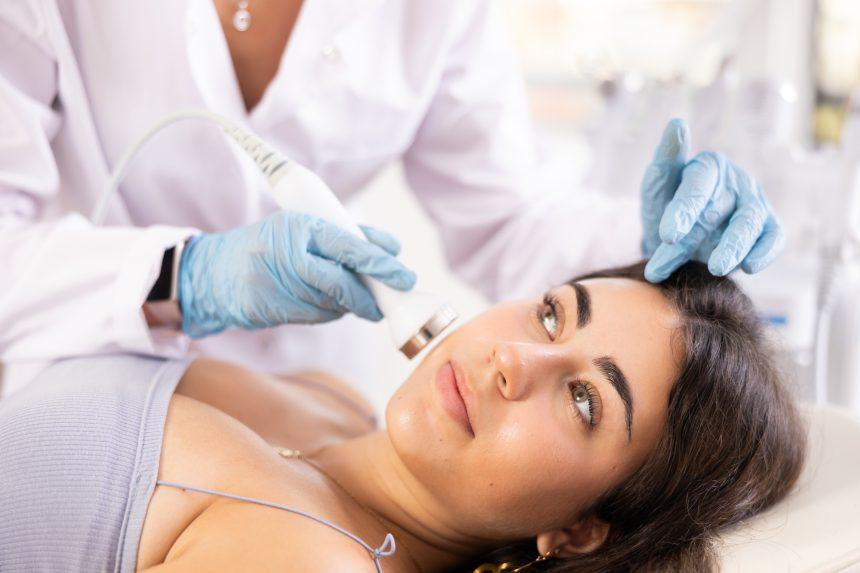
Stem cell subcutaneous injection places prepared cells into the layer beneath the skin rather than into a joint or the bloodstream. In practice this route is used mainly in aesthetic and dermatological contexts, where the target is the skin itself. The intended effect is local rather than systemic.
Because the delivery site is superficial, the procedure is shorter and generally more comfortable than joint injection. Multiple small injections may be used across a treatment area. Temporary redness, swelling, or bruising at injection sites is commonly reported and usually settles within days.
Expectations differ from those set by fillers or devices. Any change tends to develop gradually rather than appearing immediately, and repeat sessions are often part of the plan. Ask how many sessions are proposed, at what interval, and when assessment would occur. Ask also what maintenance is expected once the initial course is complete. Ask how the treated area is expected to look immediately afterward, since visible marks may affect plans for the following day or two.